
Quick Take
Turning your flower into potent cannabis butter is easier than you think. Here’s each step of how to make it—from decarbing to infusing. Then use our Edibles Calculator to nail your perfect dose.
published 12/26/24 | updated 2/6/26
Cannabis Butter (or Oil) is the Edibles OG
For those of us who love edibles, learning how to make cannabutter is a must. Here’s a step-by-step guide to make cannabutter with standard kitchen tools. If you’re serious about cooking with cannabis, you’ll want to invest in one of the fabulous cannabis infusers on the market. Both Ardent and Levo make these appliances, and both are very discreet. Levo devices also come in a gorgeous array of colors to fit in with your kitchen decor. But, before you make the investment, give this low-tech method a try, using just the tools you already have in your kitchen.

What Are the Benefits of Cannabutter?
You can infuse cannabis into lots of things. The list includes butter and almost any cooking oil—olive, avocado, and our favorite, coconut oil. Cannabis can also be infused into honey, sugar, yogurt, alcohol, and, we’re sure, loads of other foods. But cannabinoids bind specifically to fat cells. That means butter and oil are two of the most efficient delivery methods to get them into your system. Decarbing makes it easier for cannabinoids to bind to those fats, or lipids. Why is that important? Because scientific studies have consistently shown that consuming cannabis in combination with lipids greatly enhances its potential to heal.
First, Prep your Flower
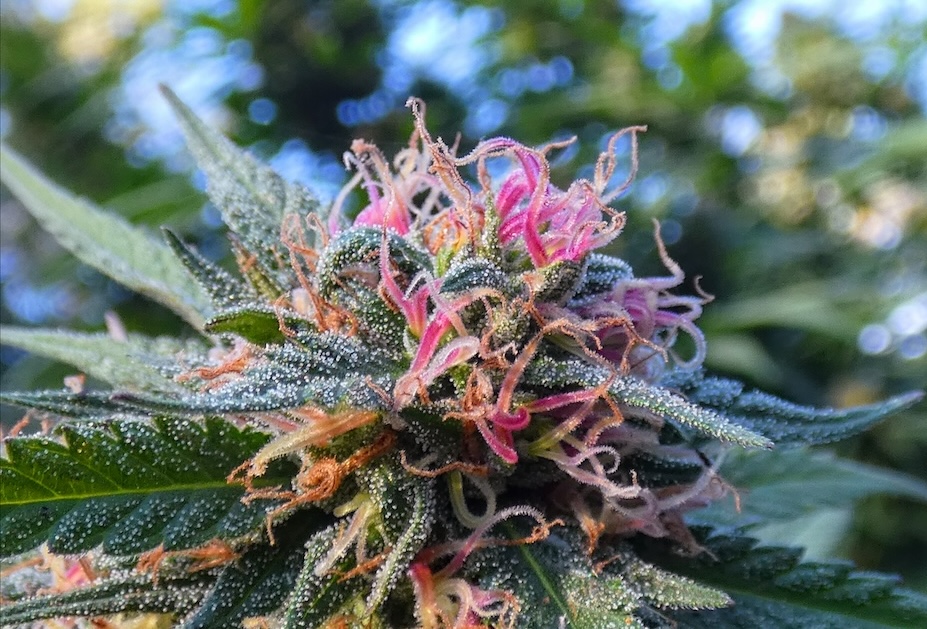
Cannabis flower can’t just go right into food. If you did cook with raw flower, your edibles wouldn’t taste good. Worse, they wouldn’t be nearly as potent as they should be. You need to activate cannabis very precisely with heat—that’s why one of the most common ways of consuming cannabis is to smoke it.
To experience the good stuff (the THC, CBD, etc.), you need to bake your cannabis at a specific temperature for a specific time to produce the chemical reaction that will release maximum cannabinoids. The technical term for this is decarboxylation, or decarbing—not that you need to remember that. Just follow the simple steps below and you won’t waste any of the potency of your flower.
How to Grind Cannabis for Edibles
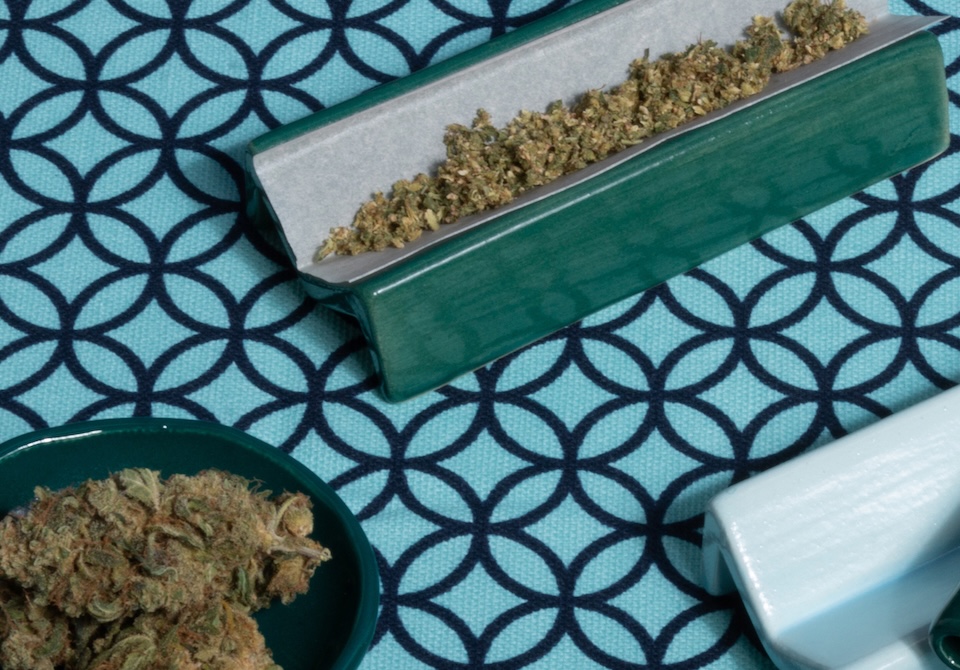
When you’re grinding cannabis for edibles, it’s important to keep your mix coarser than you would for smoking. Why? Well, the finer you grind your herb, the more challenging it becomes to strain out the plant matter later on. Cannabis butter works best when it’s as clear as possible. You don’t want little bits of herb in it. Also, finely ground cannabis releases more of the plant’s chlorophyll. This pigment won’t just turn your butter green. It also has a strong taste that gives edibles that grassy, weed flavor.
No Grinder? No Problem
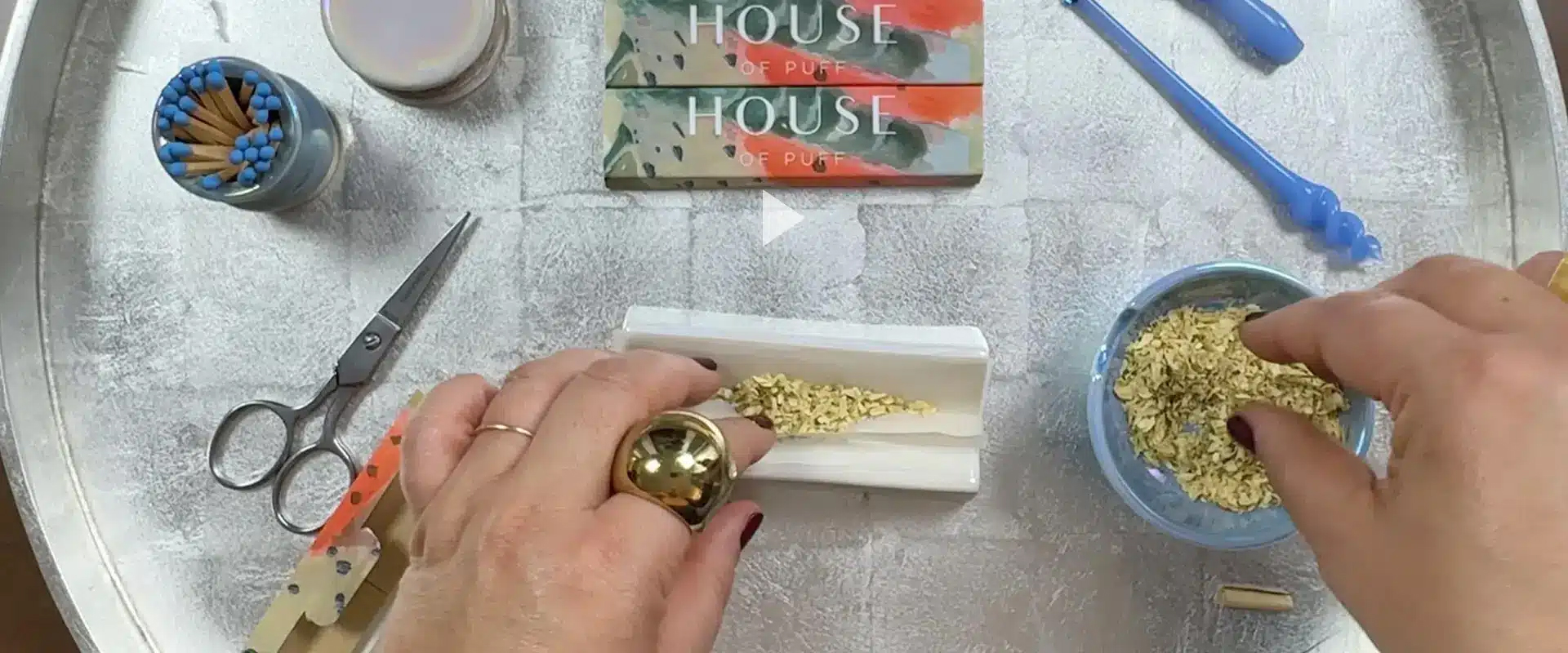
Some chefs suggest just breaking buds apart with your fingers before decarbing. But that can get sticky with resin. Instead, we recommend using a scissors to cut your flower into a coarse mix. If scissors aren’t your thing, check out our other tricks for grinding weed with common kitchen tools. Use the sage in your cupboard as a rule of thumb for the size of your grind.
How to Activate (Decarb) Your Flower
How to Decarb Weed?
- Set your oven to bake, and preheat it to 220° F (104° C)
- Cut up ⅛ oz of cannabis flower with scissors into a coarse mix
- Next, spread your herb evenly onto your baking dish or sheet
- Place the baking dish on the center rack of your oven
- As you bake, gently stir/remix your flower about every 10 minutes
- Bake until your flower turns a deep brownish green, taking care not to burn it
How Long to Decarb Weed?
For baking times, we defer to Mennlay Golokeh Aggrey, the cannabutter guru and author of The Art of Weed Butter.
- For old or low quality flower, bake about 20 minutes
- For cured, high grade flower, bake about 45 minutes
- For recently harvested or wet flower, bake 60 minutes or more
But again, keep checking the color of your flower to make sure you’re not under- or overcooking it. Here’s our video that shows you exactly how to do it.

Which Strains Are Best to Make Cannabutter With?
We like to use Blue Dream to make cannabutter. It’s a cross between Blueberry and Haze that has sweet berry and earthy aromas. This strain is known for its balanced effects that combine euphoria with full-body relaxation. What could be better than that? It’s also one of the most widely available strains.
If you’re studying up on your terpenes, myrcene and pinene are the most dominant in Blue Dream. Other strains that are commonly recommended for cannabutter include Bubba Kush, OG Kush, Skywalker, Sour Diesel, Trainwreck, and White Widow. And if you’re wondering about which potency to choose, that depends on how potent you want your cannabutter to be. If you’re just starting out, choose a lower potency strain (under 20% THC). Or, if you like a stronger dose, go with a higher potency strain. The great thing is that, if you make a higher potency butter, you can always dilute how much you use in your recipe by combining it with regular butter.
What Kitchen Tools Do You Need to Make Cannabis Butter?


The lowest tech way to make cannabis butter is in a saucepan on your stovetop. It takes more time than other methods, and there will be that telltale aroma. But you don’t need any special equipment. To get started, you’ll just need the following common kitchen tools.
- Medium saucepan with a tight fitting lid
- Wooden spoon
- Cooking thermometer
- Fine metal strainer or cheesecloth
- Glass jar with a tight fitting lid
Cannabutter Ingredients
The ingredients in cannabutter are even more simple:
- 8 oz/1 cp Ghee (or homemade clarified butter)
- 1 ½ cp water
- ⅛ oz of decarbed cannabis
How to Make Cannabutter?
- To begin your cannabutter journey, start by combining Ghee and water in a saucepan over very low heat.
- Stir continuously until Ghee is completely melted.
- Once it’s melted, add the cannabis and stir until fully combined.
- Next, cover with lid and allow the mixture to gently simmer for 4 hours.
- Stir every 15 minutes to make sure your butter’s not burning. While stirring, regularly check to make sure its temperature stays below 180° F (82° C). This step is really important for preserving the potency because THC starts to degrade at 185° F (85° C).
- After simmering, carefully pour the mixture into a sealable glass jar through a strainer, cheesecloth, or fine mesh sieve. We like to use a tea strainer since it’s specifically made for straining herbs.
- Keep in mind that the butter may have reduced slightly during the infusion process, so plan your batches accordingly.
- Once strained, store the infused butter in the refrigerator or freezer, where it will stay potent for up to six months.
Testing/Dosing
Cannabis Butter Math is Serious Mathing
When you make cannabutter at home, especially via this low-tech method, it can be notoriously difficult to gauge dosing. Unless your tolerance is pretty high, you may want to consider using part cannabis butter and part regular butter in most recipes. We recommend beginning with a conservative dose of 5-10mg of THC per serving. But working out the math involved in achieving that dose can be daunting. So, here’s a simple chart that helps.
Our Homemade Cannabis Butter THC Chart and Calculators
This dosing chart can save the day for you. Just look up the potency of the cannabis you’ve infused into your butter. (All legally sold cannabis has a label that tells you the exact percentage of THC in it.) Then, the chart will tell you how much cannabutter to use in your recipe to get to the per-serving dose you want.
Or, better yet, check out our automated Edibles Dosing Calculators to get the exact amount for the exact dosing you want. One calculator is specifically for homemade cannabis butter or oil, and the other one is for when you want to add store-bought oil (which is best for gummies).
Keep in mind that the effects of edibles may take up to four hours to fully manifest. Therefore, if you’re new to edibles, it’s crucial to follow the age-old advice: start low and go slow. With our user-friendly calculator and a cautious approach, you’ll be well-equipped to enjoy your homemade edibles safely and responsibly.
| Flower THC Potency* | Total THC mg per 1 cup Infused Oil/Butter | THC mg per Teaspoon Oil/Butter | # Teaspoons Infused Oil/Butter to Use in Your Recipe |
|---|---|---|---|
| 10% | 354 | 7 | 5 ½ |
| 11% | 390 | 8 | 5 |
| 12% | 425 | 9 | 4 ½ |
| 13% | 461 | 10 | 4 |
| 14% | 496 | 10 | 4 |
| 15% | 532 | 11 | 3 ½ |
| 16% | 567 | 12 | 3 ½ |
| 17% | 602 | 13 | 3 |
| 18% | 638 | 13 | 3 |
| 19% | 673 | 14 | 3 |
| 20% | 709 | 15 | 2 ½ |
| 21% | 744 | 16 | 2 ½ |
| 22% | 780 | 16 | 2 ½ |
| 23% | 815 | 17 | 2 ¼ |
| 24% | 851 | 18 | 2 ¼ |
| 25% | 886 | 18 | 2 ¼ |
| 26% | 921 | 19 | 2 |
| 27% | 957 | 20 | 2 |
| 28% | 992 | 21 | 2 |
| 29% | 1028 | 21 | 2 |
| 30% | 1063 | 22 | 1 ¾ |
*Potency per ⅛ oz flower infused in 1 cup oil or butter.
Cannabutter Recipes
Now that you’ve learned to make cannabis butter, put it to great use in our molten chocolate cannabis brownie recipe. We promise, you won’t regret it!
Responsible Use
For legal adults 21+ use only. Start low and go slow. May cause drowsiness—don’t drive or operate machinery after using cannabis or hemp-derived THC products. Keep out of reach of children and pets.